After Knee Surgery

Supporting Your Journey Home

After Knee Surgery: Your Recovery Guide

The success of your knee surgery depends significantly on the care you take during the first few weeks of recovery. At Principle Orthopaedics, we utilise Enhanced Recovery Paths designed to minimise discomfort and get you back on your feet safely and efficiently.

Below is a comprehensive guide on what to expect and how to manage your recovery.

Phase 1: In the Hospital (Days 1–3)

Your recovery begins the moment you wake up from anesthesia. Our goal is to manage your pain and begin movement as soon as possible.

  • Rapid Mobilisation: Under the guidance of our hospital physiotherapists, most patients will be encouraged to stand and take their first steps within 24 hours of surgery.

  • Pain Management: We use a multimodal approach—combining local anesthetics, nerve blocks, and oral medications—to ensure you stay comfortable while remaining alert enough to participate in physical therapy.

  • Wound Care: Your surgical dressing will stay in place until your follow-up appointment. It is typically waterproof, allowing you to shower, but it should not be submerged in a bath or pool.

Knee Surgery
Resting after surgery

Phase 2: Managing at Home (Weeks 1–2)

Once you are discharged from Peninsula Private Hospital, the focus shifts to controlling swelling and regaining basic function.

The R.I.C.E. Protocol

To manage post-operative swelling and pain, follow these four steps:

  1. Rest: Balance your activity with periods of rest to allow the tissues to heal.

  2. Ice: Apply ice packs to your knee for 20 minutes several times a day.

  3. Compression: Wear your compression stockings as directed to prevent blood clots.

  4. Elevation: Keep your knee elevated above the level of your heart when sitting or lying down.

Medication Adherence

It is easier to prevent pain than to “catch up” once it becomes severe. Take your prescribed medications exactly as directed by your surgeon, especially before your scheduled physiotherapy sessions.

Phase 3: Rehabilitation & Physiotherapy (Weeks 2–12)

Physical therapy is the most critical component of your long-term success.

  • Restoring Range of Motion: Early exercises will focus on straightening the knee fully and gradually increasing the bend (flexion).

  • Strengthening: You will progress to exercises that strengthen the quadriceps and hamstrings to support your new joint.

  • Gradual Activity: Most patients can resume driving within 4–6 weeks (depending on which leg was operated on) and return to low-impact activities like swimming or cycling shortly thereafter.

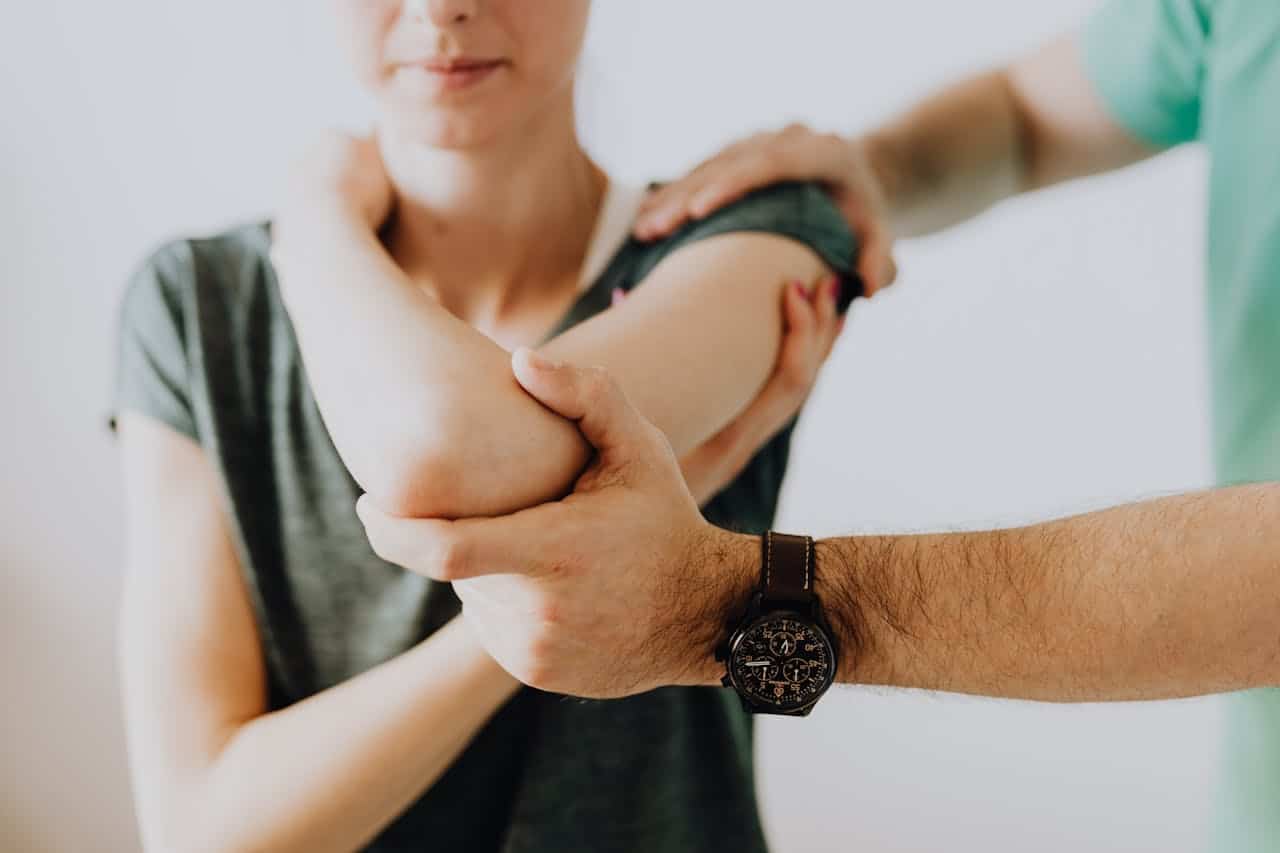
Rehab for shoulder surgery

Warning Signs: When to Call Us

While some pain, swelling, and bruising are normal, please contact our Frankston rooms immediately if you experience:

  • Sudden Increase in Pain: Pain that is not relieved by medication and rest.

  • Significant Swelling: New or worsening swelling in the calf or ankle.

  • Fever or Chills: A temperature over 38°C or persistent shivering.

  • Wound Concerns: Redness, heat, or unusual drainage from the incision site.

  • Shortness of Breath: Any sudden chest pain or difficulty breathing (seek emergency care immediately).

Shoulder Surgeries

Follow-Up Appointments

You will typically see your surgeon or our practice nurse at the two-week mark to check your incision and monitor your progress. Subsequent visits are often scheduled at 6 weeks, 3 months, and 12 months post-op.


Questions About Your Recovery?

Our team is here to support you every step of the way. If you are unsure about an exercise or concerned about your progress, please reach out.

Contact Us