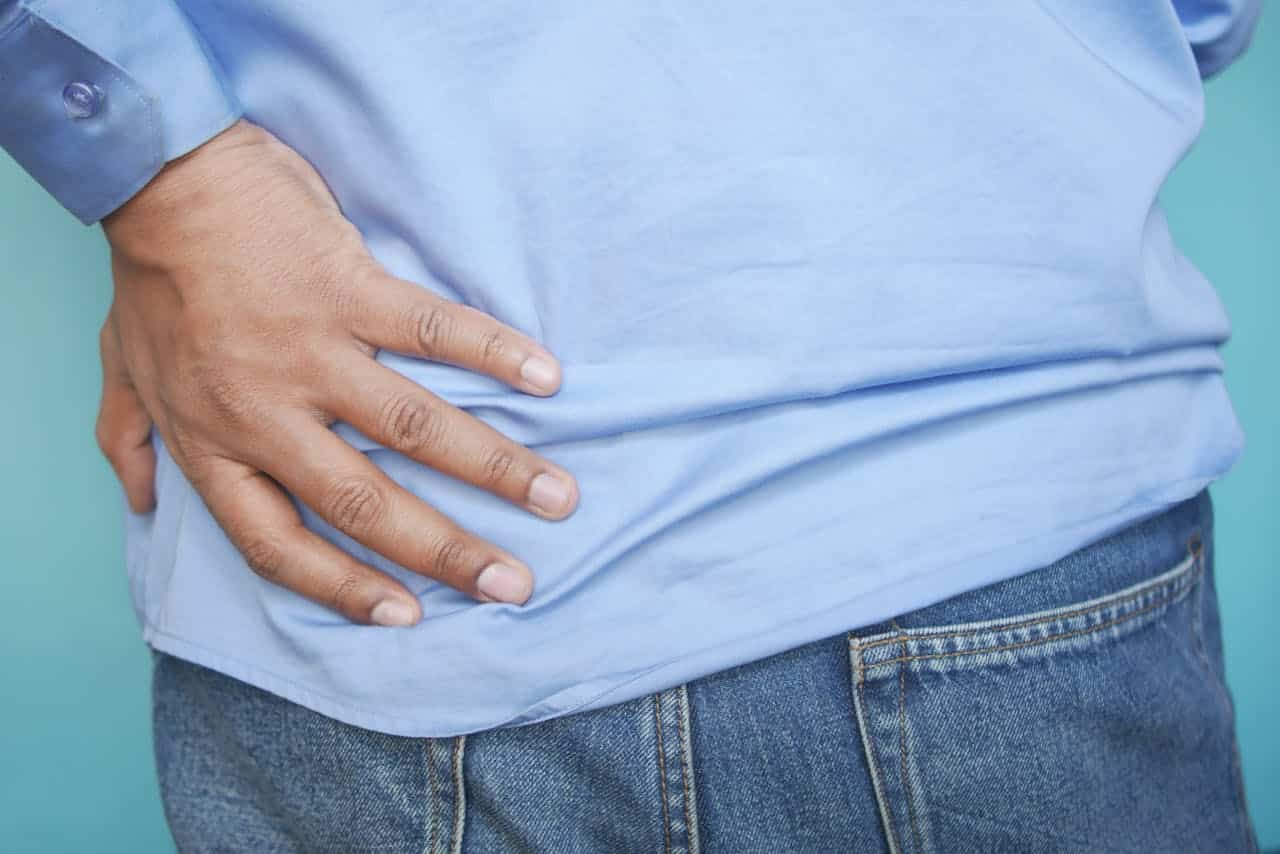
After Hip Surgery

Hip, Knee and Trauma Specialists.

After Hip Surgery: Your Recovery Guide

Precision Care from Hospital to Home

A successful hip procedure is the first step toward a life without chronic pain. The next important step is your recovery.

At Principle Orthopaedics, we utilise modern surgical techniques and Enhanced Recovery After Surgery (ERAS) protocols to help you regain your independence as quickly and safely as possible.


Phase 1: The First 48 Hours

Your recovery starts immediately. While you may feel tired, early movement is the key to preventing complications like blood clots and stiffness.

  • First Steps: Most patients at Peninsula Private Hospital will be assisted by a physiotherapist to stand and walk short distances within 24 hours of surgery.

  • Managing Discomfort: You will be provided with a combination of oral medications and, in some cases, a local anaesthetic infusion to manage pain effectively.

  • Wound Care: Your surgical incision will be covered with a waterproof dressing. You can usually shower normally, but do not submerge the hip in a bath or pool until cleared by your surgeon.

Melbourne Knee Specialists
Assisted Walking in Park

Phase 2: Home Recovery (Weeks 1–6)

As you transition home, the primary goals are protecting your new joint and gradually increasing your walking distance.

Hip Precautions

Depending on the surgical approach used (Anterior or Posterior), you may need to follow specific “Hip Precautions” for the first 6 weeks to ensure the joint remains stable while the soft tissues heal:

  • Avoid over-flexion: Do not bend your hip past 90 degrees (e.g., don’t sit in very low chairs).

  • Avoid crossing your legs: Keep your knees apart when sitting or lying down.

  • Sleep Positioning: You may be advised to sleep on your back or with a pillow between your legs.

Daily Activity

  • Walking: Continue to use your walker or crutches as directed. Gradually increase your “incidental” walking around the house.

  • Stairs: Your physiotherapist will teach you the “Up with the good, down with the bad” method for navigating stairs safely.

Phase 3: Building Strength (Weeks 6–12)

At this stage, the focus shifts from protection to performance.

  • Driving: Most patients can return to driving between 4 and 6 weeks, provided they are no longer taking strong pain medications and have regained sufficient muscle control.

  • Hydrotherapy & Cycling: Once the incision is fully healed, low-impact exercises like swimming or using a stationary bike are excellent for building strength without stressing the joint.

  • Long-term Maintenance: High-impact activities (like running or jumping) should generally be avoided to maximise the lifespan of your hip implant.

Rehab in pool

Monitoring Your Progress: Causes for Concern

It is normal to experience some bruising, mild swelling around the thigh or ankle, and “clicking” sounds in the hip during the first few weeks.

When to Contact Principle Orthopaedics

Please call our rooms immediately if you notice any of the following:

  • Calf Pain: Redness, heat, or significant swelling in the calf (potential sign of a blood clot).

  • Wound Discharge: Any leaking, pus, or foul odour from the dressing.

  • Persistent Fever: A temperature higher than 38°C.

  • Sudden Instability: If you experience a “pop” followed by an inability to bear weight.

Hip Surgeries

Your Follow-Up Schedule

Consistency is key to a great outcome. We will monitor your progress at regular intervals:

  1. 2 Weeks: Wound check and removal of any staples (if used).

  2. 6 Weeks: Clinical review and assessment of your walking gait.

  3. Ongoing: Reviews at 6 months, 12 months, and then periodically to ensure the long-term health of the prosthesis.


Support During Your Recovery

Our nursing and surgical staff are here to ensure your recovery is as smooth as possible. If you have any concerns regarding your medication, exercises, or the healing of your incision, please do not hesitate to contact us.

Contact Us